

3 December 2024
What Key Radiology Skills Should Every General Practitioner Know?
Discover the essential radiology skills every general practitioner should know to improve diagnosis and patient care through medical imaging.
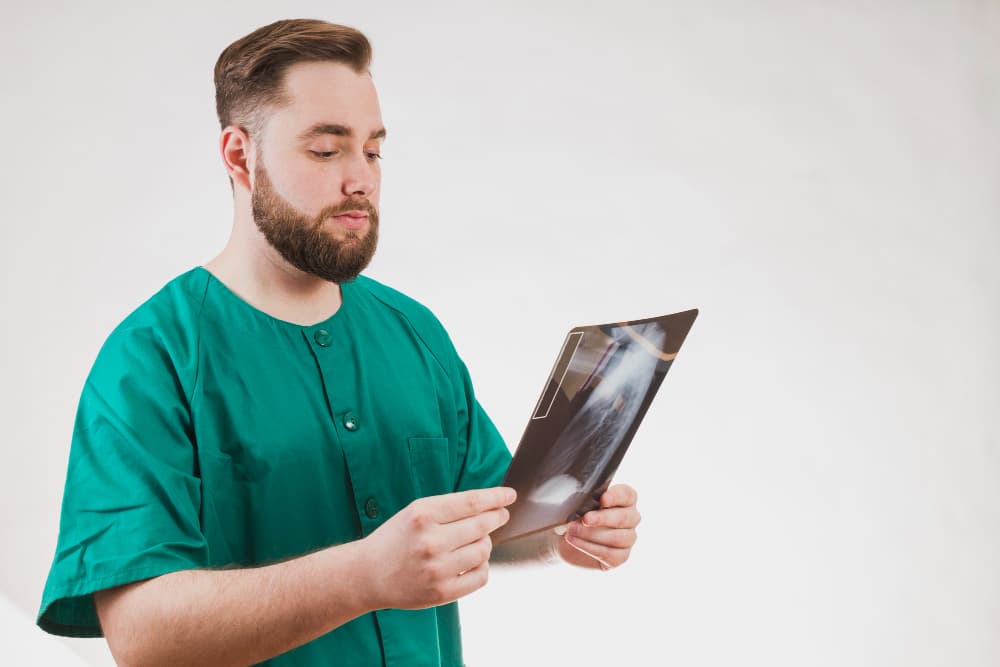
In today’s clinical landscape, radiology has become an essential part of everyday practice for General Practitioners (GPs). Whether it’s a routine chest X-ray or an emergency CT scan, a fundamental understanding of radiological interpretation and imaging is crucial. This article explores the key radiology skills that every GP should know to ensure patient safety, improve diagnostic accuracy, and provide timely treatment.
Why is Basic X-ray Interpretation Essential?
One of the most vital skills for any GP is the ability to interpret basic X-rays. X-rays are the most widely used imaging modality and play a central role in diagnosing a wide array of conditions, from fractures to chest infections.
- Chest X-ray Analysis: Chest X-rays are one of the most common imaging requests in primary care. GPs need to be familiar with interpreting lung fields, heart size, and identifying common abnormalities like pneumonia, pleural effusions, and cardiomegaly.
- Limb X-rays: Limb X-rays are frequently used to identify fractures and dislocations. GPs should be able to recognise simple fractures, assess joint alignment, and identify signs of more complex injuries.
Essential Radiology Skills for General Practitioners
- Basic X-ray Interpretation
- Chest X-ray analysis
- Identifying fractures in limb X-rays
- Spotting pneumonia, pleural effusion, and cardiomegaly
- Understanding CT Imaging
- CT head for trauma cases
- Abdominal CT for acute abdominal pain
- Basic cross-sectional anatomy
- Ultrasound Skills
- Abdominal ultrasound for gallstones and liver pathologies
- OB/GYN ultrasound for pregnancy assessment
- Point-of-care ultrasound (POCUS) for cardiac and lung evaluation
- MRI Familiarity
- Recognising when to refer for MRI
- Basic knowledge of musculoskeletal MRI for injury assessments
- Radiation Safety Awareness
- Understanding radiation dose in imaging
- Implementing safety protocols for patients
- Image Interpretation for Trauma
- Identifying common fractures and dislocations
- Spotting internal bleeding in emergency cases
How Can Understanding CT Imaging Help?
Computed Tomography (CT) provides cross-sectional images, offering detailed visualisation of organs and bones. For GPs, the ability to understand basic CT imaging principles is invaluable in emergency care settings. For example, CT scans are often the first choice for assessing trauma, especially in cases of head injuries and abdominal pain. Recognising common signs, such as internal bleeding or fractures, can enable GPs to make critical decisions about a patient’s next steps.
Radiology Skills and Imaging Modality Relevance
| Radiology Skill | Relevant Imaging Modality | Description |
| Basic X-ray Interpretation | X-ray | Identifying fractures, infections, and common chest issues |
| CT Imaging Basics | CT scan | Recognising internal bleeding, trauma, and soft tissue issues |
| Ultrasound Proficiency | Ultrasound | Evaluating abdomen, OB/GYN conditions, and cardiac health |
| MRI Familiarity | MRI | Assessing musculoskeletal injuries and complex cases |
| Radiation Safety Awareness | All modalities | Ensuring safe imaging practices, minimising exposure risks |
| Trauma Image Interpretation | X-ray, CT | Identifying and diagnosing fractures and haemorrhages |
Why is Ultrasound a Key Tool for GPs?
Ultrasound is another important imaging modality, especially for primary care. Unlike X-rays and CT scans, ultrasound does not involve radiation, making it safer for specific populations, including pregnant patients. Ultrasound is useful for evaluating abdominal pain, detecting gallstones, assessing liver pathologies, and guiding certain procedural interventions.
GPs should be proficient in:
- Abdominal Ultrasound: Abdominal ultrasound is commonly used to detect gallstones, liver abnormalities, and appendicitis.
- OB/GYN Ultrasound: Early pregnancy assessments, ovarian cyst detection, and monitoring foetal development.
- Point-of-care Ultrasound (POCUS): Often used in emergency situations, POCUS can help in evaluating cardiac function, lung abnormalities, and blood flow.
When Should GPs Refer for MRI?
Magnetic Resonance Imaging (MRI) is invaluable for musculoskeletal injuries, neurological conditions, and certain soft tissue evaluations. While GPs are generally not expected to perform MRI interpretations, understanding when an MRI referral is appropriate is crucial. For example, MRIs are useful for assessing sports injuries, joint inflammation, and neurological disorders.
In Australia, referral criteria are guided by Medicare and diagnostic imaging standards set forth by the Australian Society of Medical Imaging and Radiation Therapy (ASMIRT), ensuring that MRI is only used when clinically justified.
How Important is Radiation Safety for GPs?
Radiation safety is paramount in radiology, and understanding the principles of radiation exposure helps to ensure patient safety. GPs should be aware of radiation doses associated with different imaging modalities, especially when ordering CT scans, which deliver higher radiation doses than X-rays. Following guidelines, such as those provided by Radiation Health Australia, can help GPs in making safer choices for their patients.
- Understanding Radiation Dose: GPs must be informed about typical radiation doses for various tests, aiming to limit exposure by only ordering necessary imaging.
- Implementing Safety Protocols: Ensuring that patients are informed of potential risks and confirming clinical necessity before proceeding with radiation-based imaging.
What are Common Imaging Pitfalls and How Can They Be Avoided?
Radiological interpretation errors can lead to misdiagnosis and inappropriate treatment. Below are common pitfalls in radiology and tips for GPs to avoid them:
Common Radiology Pitfalls and Tips for General Practitioners
| Radiology Pitfall | Tip to Avoid Issue |
| Misinterpretation of chest X-rays | Use a systematic approach, such as ABCDE (Airway, Bones, etc.) |
| Over-relying on a single imaging type | Cross-reference findings with clinical signs for accuracy |
| Inadequate radiation safety measures | Ensure training in radiation doses and safety protocols |
| Misdiagnosis due to lack of anatomy knowledge | Review anatomy before assessing cross-sectional images |
| Missing fractures in trauma cases | Conduct a careful, systematic review of bone edges and joints |
Key Radiology Competencies by Skill Level
| Skill Level | Competency | Description |
| Beginner | X-ray Interpretation Basics | Basic chest and limb X-rays, identifying clear fractures |
| Intermediate | Ultrasound Techniques | Point-of-care ultrasound, abdominal ultrasound basics |
| Advanced | CT and MRI Interpretation | Cross-sectional imaging for complex cases and trauma |
| Expert | Comprehensive Diagnostic Skills | Accurate diagnosis across multiple modalities |
Research Supporting Radiology Skills for GPs
Evidence from recent studies underlines the importance of basic radiological skills for primary care providers. Studies by the Royal Australian and New Zealand College of Radiologists (RANZCR) highlight that GPs with basic radiological knowledge can improve diagnostic accuracy, especially in rural and remote areas where access to specialised radiologists may be limited. GPs who routinely engage with radiology training are more likely to make timely and accurate referrals, thus enhancing patient outcomes.
Another study published in the Australian Family Physician journal supports that when GPs have foundational radiological skills, patient turnaround time for diagnosis is reduced, leading to better resource allocation within the healthcare system.
Border Radiology Specialists is proud to support general practitioners by providing expert radiological consultations. If you need assistance or have questions about radiology services, we welcome the opportunity to collaborate.
References
- Royal Australian and New Zealand College of Radiologists
- Australian Family Physician Journal
- Radiation Health Australia
- Medicare Services Australia
FAQs
- What is the most important imaging skill for GPs?
Basic X-ray interpretation is essential as it covers many common issues seen in primary care, including chest infections and fractures.
- Why is ultrasound important in general practice?
Ultrasound is a versatile and safe imaging modality that allows GPs to evaluate abdominal pain, obstetric issues, and perform point-of-care assessments without radiation.
- When should a GP refer a patient for an MRI?
GPs should refer patients for MRI when assessing musculoskeletal injuries, neurological conditions, or soft tissue evaluations that require detailed imaging.
- How can GPs minimise radiation exposure for patients?
GPs can minimise exposure by ordering imaging only when necessary, understanding radiation doses, and following guidelines provided by health authorities.
- What are common pitfalls in X-ray interpretation for GPs?
Common pitfalls include missing subtle fractures, misinterpreting lung fields on chest X-rays, and inadequate systematic review of images.
- How can radiology skills improve patient outcomes in general practice?
Enhanced radiology skills allow GPs to provide accurate diagnoses, leading to timely treatment and appropriate referrals, ultimately improving patient care quality.
This article is general information, not a substitute for medical advice. For guidance about your own situation, speak with your GP or call us on (02) 6046 9755.