

23 August 2026
Radiology-Guided Pain Relief: Is an Image-Guided Injection Right for Your Back, Hip or Joint Pain?
Chronic back, hip or joint pain in Albury? See how radiology guided pain relief with image-guided injections works, who it suits, and when to consider it.
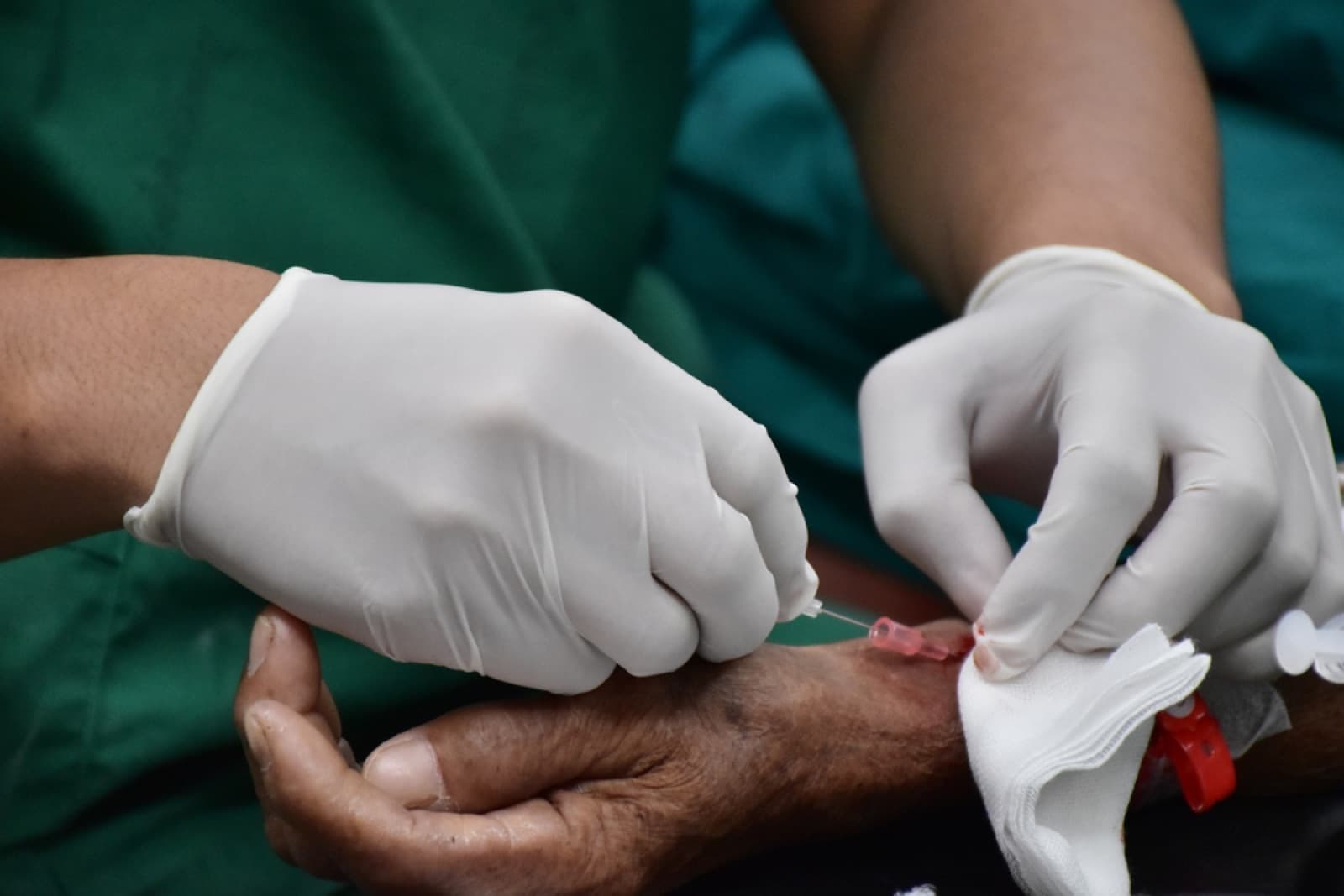
If you have been living with pain that will not settle, you have probably been offered two extremes: keep taking painkillers, or start talking about surgery. There is a middle option that many people in the Albury and Wodonga region do not realise exists. It uses live medical imaging to place treatment exactly where the pain is coming from, often without a single night in hospital.
This is what “radiology-guided pain relief” means, and for the right person it can be the difference between managing pain and actually moving past it.
What “radiology-guided” actually adds
A pain-relief injection is only as good as its aim. Injecting a joint, a nerve root or an inflamed tendon by feel alone leaves room for error, and in a small joint or deep in the spine that margin matters.
Radiology-guided means the radiologist watches a live image while the needle moves, so the medication reaches the precise structure that is generating your pain and nothing else. Depending on the target, the guidance comes from one of three tools: ultrasound for soft tissue and superficial joints, CT for deep or spinal structures, and fluoroscopy (live X-ray) for spinal and larger joint work. If you would like the background on how these scans work before your appointment, our short guide to what a general X-ray can reveal about your health is a useful starting point.
The result is a treatment that is both diagnostic and therapeutic: if the injection relieves the pain, it also confirms where the pain was coming from.
The conditions it helps most
Radiology-guided injections are commonly used for:
- Lower back and neck pain — epidural, nerve root (transforaminal) and facet joint injections that target irritated spinal nerves and joints.
- Hip, knee and shoulder pain — corticosteroid or local anaesthetic injections into the joint, often for osteoarthritis or persistent inflammation.
- Tendon and bursa problems — such as shoulder bursitis or hip tendon pain that has not responded to physiotherapy.
You can see the full range of targets and techniques on our image-guided pain injection service page.
Injection first, or surgery first?
This is the question most patients actually want answered. There is no universal rule, but a few principles hold true.
An image-guided injection is usually worth considering before surgery when your pain is inflammatory or mechanical rather than structural, when imaging has not shown damage that clearly needs an operation, or when you simply want to buy time and function while you decide. It is minimally invasive, it carries far less risk than surgery, and it can be repeated within safe limits.
Surgery moves up the list when there is significant structural damage, progressive nerve compression, or when injections have given only brief relief on repeated attempts. Your GP and specialist make that call together — an injection does not close the door on surgery later, it often just delays or avoids it.
If you want to understand the mechanism in more depth, our companion article on how image-guided injections help with pain goes further into the science.
What to expect on the day
Most image-guided injections take fifteen to thirty minutes. You will be positioned so the radiologist has a clear imaging view, the skin is cleaned and numbed, and the medication is delivered under live guidance. Many people describe pressure rather than sharp pain.
Afterwards you rest briefly, and because some injections use sedation or affect a weight-bearing joint, it is wise to arrange for someone to drive you home. Full instructions are always tailored to your specific procedure by the Border Radiology Specialists team.
How long does relief last?
Honesty matters here. An injection is not always a permanent cure. Relief can begin within a few days and last anywhere from several weeks to several months, and for many people that window is exactly what they need to rehabilitate, strengthen and stay active without constant pain. Some people need only one; others benefit from a planned series.
Preparing safely
Tell your radiographer if you take blood thinners, have any allergies, or could be pregnant, and mention any medical conditions in advance. If sedation is planned you may need to fast beforehand. These simple steps keep an already low-risk procedure as safe as possible.
Ready to find out if it is right for you?
If persistent pain is limiting your life, radiology-guided pain relief is worth a conversation. Speak with your GP about a referral, then book an image-guided pain injection in Albury with the only locally owned and operated radiology clinic in Albury and Wodonga. Your referral is yours — you can choose where it is done.
Frequently Asked Questions
Does an image-guided injection hurt? Most people feel pressure rather than sharp pain. The skin is numbed with local anaesthetic first, and because the needle is guided by live imaging there is less probing to find the right spot. Any discomfort usually settles quickly.
How long will the pain relief last? It varies. Relief can start within a few days and last from several weeks to several months. For many patients that period is enough to rehabilitate and stay active. Some conditions respond to a single injection, others to a planned series.
Is radiology-guided pain relief covered by Medicare? Costs depend on the specific procedure and your Medicare eligibility. Some interventional procedures attract a Medicare rebate. Border Radiology Specialists provides a detailed quote and billing information before your appointment so there are no surprises.
Do I need a referral? Yes. Like most diagnostic and interventional imaging in Australia, you need a referral from your GP or specialist. Remember your referral is portable — you are not obligated to use the clinic named on it.
Which guidance method will be used — ultrasound, CT or fluoroscopy? It depends on the target. Ultrasound suits soft tissue and superficial joints, CT suits deep or spinal structures, and fluoroscopy suits spinal and larger joint injections. The radiologist selects the method that gives the safest, most precise result.
How soon can I return to normal activity? Many people resume light activity the same or next day, though you may be advised to rest the treated area briefly. If sedation is used, arrange transport home and avoid driving that day. Your care team will give instructions specific to your procedure.
This article is general information only and is not a substitute for personalised medical advice. Please consult your GP or specialist about your individual circumstances.
This article is general information, not a substitute for medical advice. For guidance about your own situation, speak with your GP or call us on (02) 6046 9755.