

19 August 2026
How an MRI Scan Works, and What to Expect on the Day
How an MRI scan works, what to expect on the day, and who needs extra checks. Radiation-free soft-tissue imaging in Albury at Border Radiology Specialists.
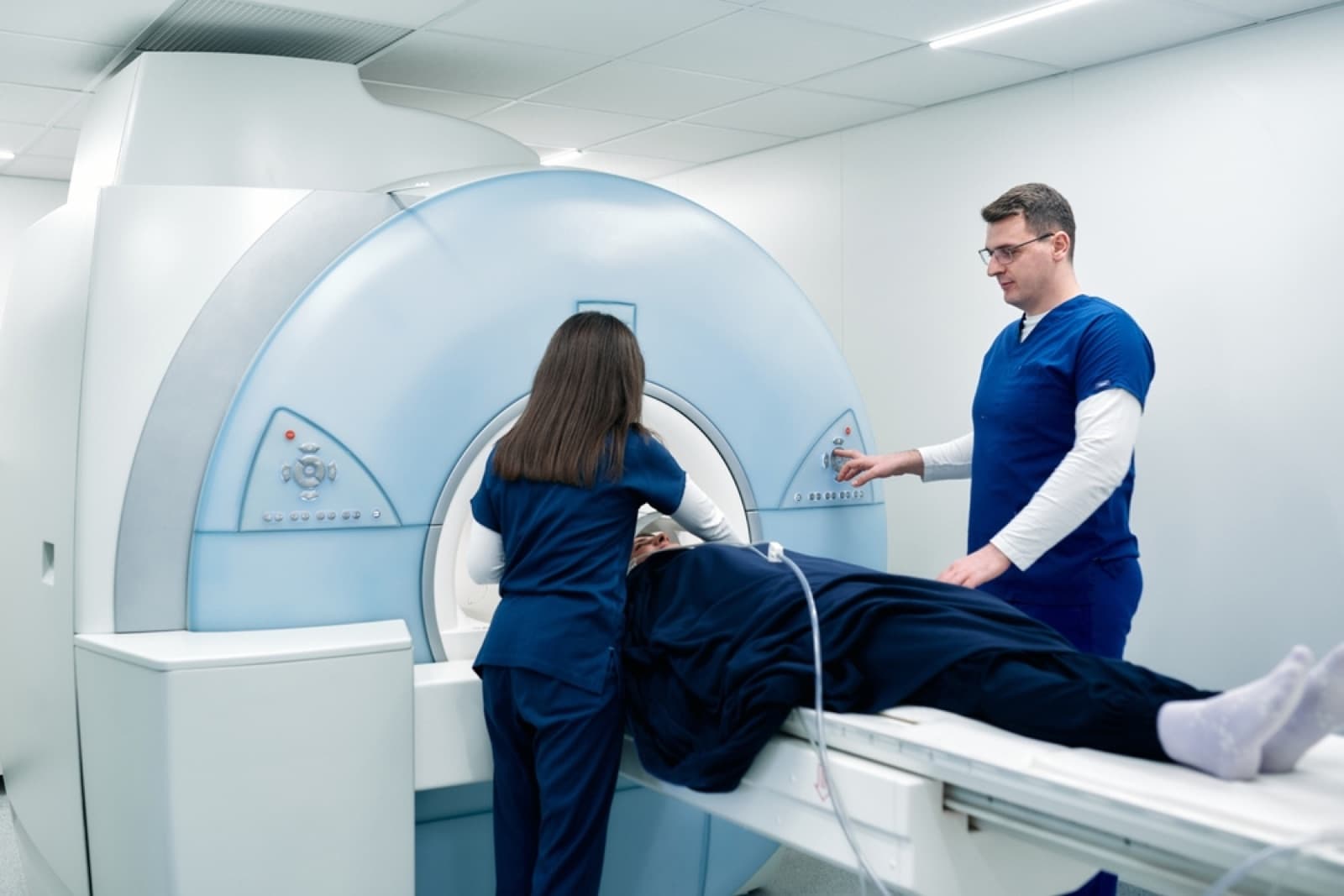
If your doctor has referred you for an MRI, you may be wondering what makes it different from an x-ray or a CT scan, and what the appointment will actually involve. Magnetic resonance imaging uses no radiation at all. Instead it relies on a strong magnetic field and radio waves to build remarkably detailed pictures of the soft tissues inside the body, the parts that other scans often struggle to show clearly. That makes it one of the most useful tools in modern imaging for looking at the brain, the spine, joints and muscles. Knowing how an MRI works, what happens on the day and who needs to take extra precautions can make the whole experience feel far more straightforward.
What an MRI Scan Is
An MRI, short for magnetic resonance imaging, takes detailed pictures of the inside of your body. As healthdirect explains, it uses strong magnetic fields and radio waves to generate signals from the body, which a computer then processes into detailed images. There is no x-ray radiation involved at any stage, which is one of its defining features.
The scanner itself is usually shaped like a tunnel, with a table that slides through the middle. Once inside, the magnetic field and radio waves work together to map the tissues in the area being examined. The images can be viewed as thin slices or combined into three-dimensional pictures, giving your doctor a clear view of structures that would otherwise be hidden without surgery.
Why MRI Is So Good at Soft Tissue
Different scans suit different jobs. An x-ray is quick and excellent for bone, while an MRI comes into its own with soft tissue. Because the technique responds to the water held in the body’s tissues, it produces particularly clear images of the brain, spinal cord, nerves, muscles, ligaments and tendons. This is why an MRI is so often requested for knee and shoulder injuries, back problems and conditions affecting the brain.
The flip side is that an MRI is not the tool of choice for looking at bone itself, which contains very little water and so shows up poorly. For that reason your doctor chooses the scan that best matches what they need to see. When soft tissue detail matters, an MRI frequently gives the clearest answer, sometimes used alongside other tests to reach a diagnosis.
What Happens During an MRI
On the day, you will be asked to lie still on the table, which then moves into the scanner. Staying as still as possible is important, because movement blurs the images. Most scans take longer than a quick x-ray, anywhere from around ten minutes to an hour or more depending on the area being examined, and the booking staff can usually give you an idea of the likely length in advance.
MRI scanners are known for being loud, making knocking or thumping sounds while they work, so you will be offered earplugs or headphones, sometimes with music. The radiographer operates the machine from an adjoining room but can see and speak with you throughout. For some scans a contrast agent is given through a small drip in the arm to make certain tissues or blood vessels show up more clearly.
Metal, Safety and Feeling Comfortable
An MRI is a very safe procedure and, because it uses no radiation, it can be repeated when ongoing imaging is needed. The strong magnet, however, means some people cannot have one, or need careful checks first. Those with a pacemaker or certain metal implants may not be suitable, which is why you will be asked to complete a safety questionnaire before your scan.
You will also be asked to remove jewellery and any metal items, and to mention any surgery or implants you have had. If lying in an enclosed space makes you anxious, it is worth telling the team beforehand, as there are ways to help you stay relaxed, and in some cases medication to keep you calm can be arranged. Raising any concerns early tends to make the appointment much easier.
MRI Scans in Albury
For people across Albury, Wodonga and the wider border region, having MRI available locally means one less reason to travel for specialist imaging. A helpful thing many people do not realise is that a referral is yours to use where you choose; you are not obliged to attend the clinic printed on the form. That means you can pick a local clinic that genuinely suits you.
When you come in for an MRI, it helps to bring your referral and any previous imaging related to the same problem. After the scan, a radiologist examines the images and sends a report to your referring doctor, who will talk through the findings and any next steps with you. If you have questions before the day, the clinic team is there to help you prepare.
The Takeaway
An MRI scan uses strong magnets and radio waves rather than radiation to produce detailed images of the body’s soft tissues, making it especially valuable for examining the brain, spine, joints and muscles. On the day you lie still inside a tunnel-shaped scanner for anywhere from around ten minutes to an hour or more, with earplugs for the noise and a radiographer nearby throughout. Because of the powerful magnet, a safety questionnaire and the removal of metal are essential, and anyone who feels anxious in enclosed spaces should mention it early. Border Radiology Specialists provides MRI scans in Albury, with a local team who can help you prepare and answer any questions before your appointment.
Frequently Asked Questions
What is an MRI scan?
An MRI, or magnetic resonance imaging, is a scan that uses a strong magnetic field and radio waves, processed by a computer, to create detailed pictures of the inside of your body. It does not use x-ray radiation. MRI is particularly good at showing soft tissues such as the brain, spinal cord, muscles and joints.
Does an MRI scan hurt?
No, the scan itself does not cause any pain. The main things people notice are the need to lie still and the loud knocking noises the scanner makes, which is why earplugs or headphones are provided. If you find lying in an enclosed space difficult, tell the team, as they can help you feel more comfortable.
How long does an MRI take?
It depends on the area being scanned. Many MRIs take longer than a standard x-ray, ranging from about ten minutes to an hour or more, and some detailed scans take longer still. When you book, the staff can usually give you an estimate of how long your particular scan is likely to take.
Is there anyone who cannot have an MRI?
Because an MRI uses a powerful magnet, some people are not suitable, including many with a pacemaker or certain metal implants. Before your scan you will complete a safety questionnaire and be asked to remove metal items. Always tell the clinic about any implants, devices or previous surgery so your suitability can be checked.
Will I need contrast dye?
Sometimes. For certain scans a contrast agent is given through a small drip in the arm to make particular tissues or blood vessels show up more clearly. Not every MRI needs it. If contrast is required for your scan, the team will explain what to expect before it is given.
This blog is intended for general informational purposes only and does not constitute medical advice. Every patient’s health needs are unique. Please consult a qualified health practitioner for advice specific to your situation. Border Radiology Specialists encourages all patients to discuss any imaging referral with their doctor or a qualified health practitioner.
This article is general information, not a substitute for medical advice. For guidance about your own situation, speak with your GP or call us on (02) 6046 9755.